
Solar Panel Cost Utah 2026: what you'll really pay — and get back
Utah solar now averages about $2.28 to $2.66 per watt installed, depending on the city. The federal tax credit is gone and Rocky Mountain Power's export credit is small, so sizing matters more than ever. Here are the real numbers and a calculator that uses your own bill.
EnergySage local data for Utah cities, June–September 2026.
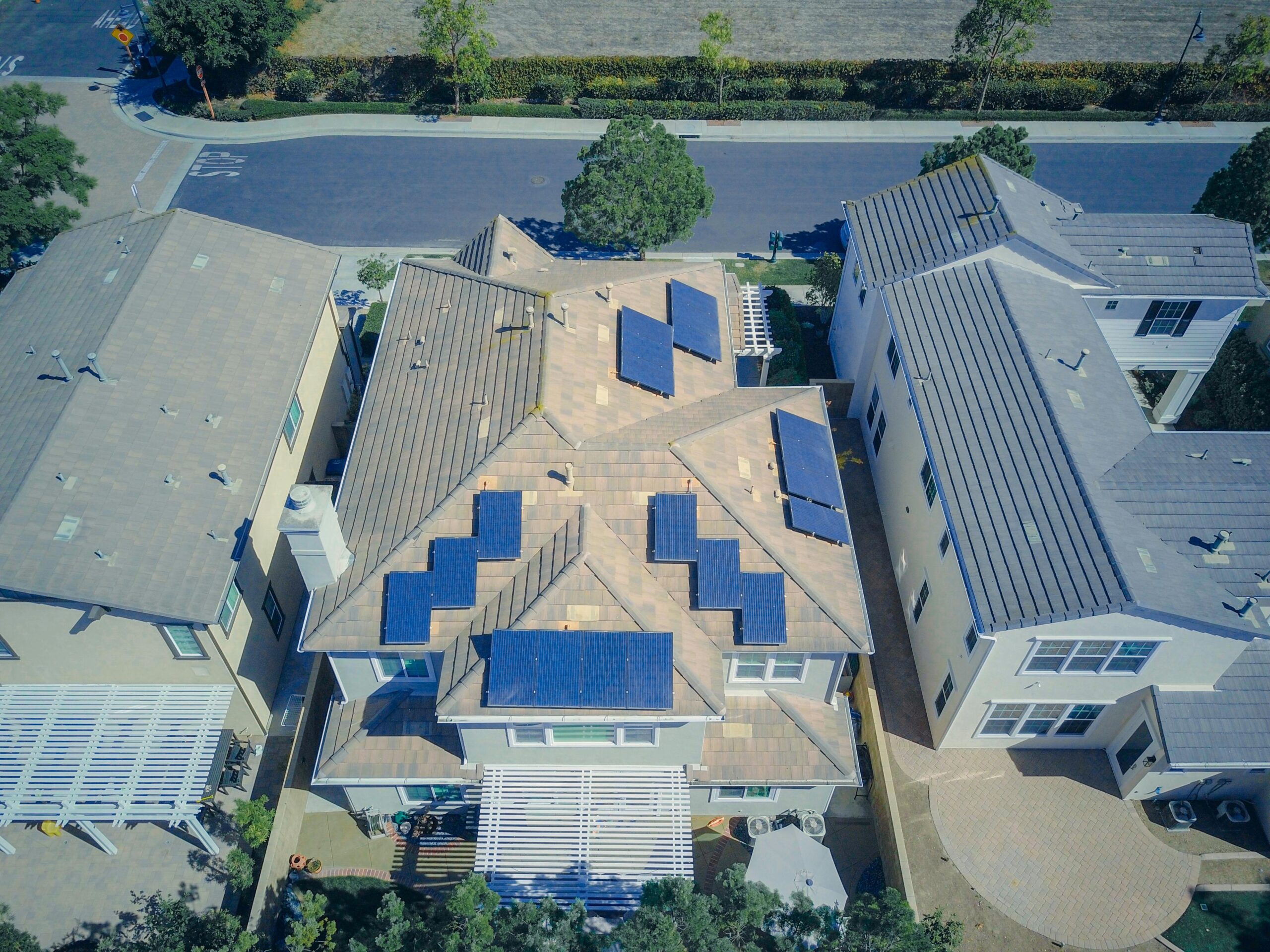


Solar panel cost Utah homeowners pay in 2026 averages about $2.28 to $2.66 per watt installed, so a typical 12–14 kW system runs roughly $28,000 to $33,000 before any incentives.
The 30% federal credit for homeowners ended December 31, 2025, and Utah's state solar credit isn't available, so these are close to the prices you'll actually pay. Under Rocky Mountain Power's net billing, power you use at home saves the most, which is why a right-sized system usually beats the biggest one.
- Price per watt $2.28–$2.66
- Typical system 12–14 kW
- Typical cost ~$28,000–$33,000
- Federal credit 2026 Ended for homes
- Export credit ~4.0–4.9¢/kWh
Get a Flat-Rate Solar Price in 24 Hours
Averages are a starting point. Send a bill and your address, and we'll size a system to what your home actually uses — then price it in writing with the equipment, production estimate and every line item listed.
- Sized to your 12-month usage, not your roof
- Price per watt shown so you can compare
- Honest payback, including when solar doesn't pencil out
Utah solar price request
Solar Panel Cost Utah by System Size
Using Sandy's September 2026 average of $2.32 per watt as a Wasatch Front benchmark, here's what common system sizes cost before incentives.
| System size | Typical installed cost | Rough annual production |
|---|---|---|
| 4 kW | $9,278 | ~5,900 kWh |
| 6 kW | $13,917 | ~8,900 kWh |
| 8 kW | ~$18,560 | ~11,900 kWh |
| 10 kW | ~$23,200 | ~14,800 kWh |
| 12 kW | ~$27,840 | ~17,800 kWh |
| 14.25 kW (Sandy average) | $33,056 | ~21,100 kWh |
Costs: EnergySage Sandy, UT local data (September 2026); 4, 6 and 14.25 kW are EnergySage's figures, others calculated at $2.32/W. Production estimated at about 1,482 kWh per kW per year from SolarReviews' Utah example; your roof's direction, tilt and shade change it.
Utah's averages are high partly because many homes size to their whole roof. Under net billing, sizing to what your home uses during the day often produces a smaller, cheaper system with a better return — see how we size on solar panel installation Utah.
Utah Solar Prices City by City in 2026
Prices vary more than you might expect between neighboring areas. These are EnergySage's local averages for the Utah cities it tracks.
| City | $ per watt | Data as of |
|---|---|---|
| Salt Lake City | $2.28 | July 2026 |
| Logan | $2.30 | July 2026 |
| Sandy | $2.32 | September 2026 |
| Eagle Mountain | $2.37 | September 2026 |
| Riverton | $2.39 | September 2026 |
| Hurricane | $2.57 | August 2026 |
| Ogden | $2.66 | June 2026 |
Two numbers to take from this table. First, the difference between the lowest and highest city is about 38 cents a watt — roughly $3,800 on a 10 kW system — which shows why comparing quotes matters. Second, city averages mix very different roofs and equipment, so your quote can sit above or below your city's number for good reasons. New to solar? Start with how solar works in Utah, then our steps for how to switch to solar and the solar contract checklist to use before you sign.
Typical system sizes in these cities run from about 12.3 kW in Salt Lake City to 14.25 kW in Sandy, putting average totals around $28,000 to $37,000 before incentives. The Salt Lake City average of $27,996 has a range of $23,797 to $32,195.
City-level detail for Salt Lake County lives on solar installation in Salt Lake County and for Utah County on our Utah County page.
Estimate Your Solar Panel Cost and Payback in Utah
Enter two numbers from your Rocky Mountain Power bill. We use your own cost per kWh, verified export credits and a Utah production estimate — no guessed electricity rates.
Your estimate
Simplified: your bill's average cost per kWh includes fixed charges that solar doesn't remove, so real savings are usually a bit lower. It also ignores future rate increases and panel wear. Export credit averaged at 4.3¢ (4.855¢ June–September, 4.033¢ the rest of the year).
What Changed for Utah Solar Costs in 2026
Several things that used to lower the price of solar in Utah are gone or smaller. Any quote that still counts them is out of date.
Federal credit
Ended for homeowner-owned systems placed in service after December 31, 2025.
Utah tax credit
Utah's residential solar credit isn't available for new systems.
Export credit
Schedule 137 pays 4.855¢ in summer and 4.033¢ the rest of the year for exported power.
Battery rebate
Wattsmart still pays up to $2,000 for an approved battery such as Powerwall 3.
Businesses are different: commercial solar can still claim a 30% federal credit if it's in service by the end of 2027 — see commercial solar installation Utah. Every current program is tracked on Utah solar incentives.
Is Solar Worth It in Utah in 2026?
For many homes, yes — but it's a longer-term investment than it was. EnergySage's 2026 local data shows typical paybacks of around 21 to 22 years in cities like Eagle Mountain and Logan, driven by the end of the federal credit and the lower value of exported power.
Those are averages for average-sized systems. A right-sized system on a good roof, with more of its power used at home, can do noticeably better — and every kWh your panels make is one you don't buy as rates rise. Here's how to tell which side you're on.
Solar makes sense when…
- Your roof faces south, east or west with little shade
- You'll stay in the home 10+ years
- You use a lot of power during the day, or add a battery
- Your bill is high and rising, and you want predictable costs
- Your roof has plenty of life left
Wait or reconsider when…
- Your roof needs replacing within a few years
- Heavy shade covers most of the day
- You're likely to move soon
- A quote relies on the expired federal credit
- The system is sized far beyond your use
If your main goal is a lower bill, free and low-cost fixes come first — they're on how to lower your Rocky Mountain Power bill. If your bill spiked suddenly, start with why is my electric bill so high.
Six Ways to Shorten Solar Payback in Utah
Size to your use
Match production to what your home uses. Extra panels mostly earn the small export credit.
Use more at home
Run dishwashers, laundry and pool pumps while the sun is up so more solar offsets full-price power.
Add storage wisely
A battery shifts midday solar to your evening. A rebate-eligible Powerwall 3 can earn up to $2,000 back.
Use west-facing roof
West panels produce later in the afternoon, closer to when many Utah homes use the most power.
Fix efficiency first
A smaller bill means a smaller, cheaper system. Wattsmart rebates on thermostats and insulation help.
Bundle the work
If you need a panel upgrade or battery, doing it with solar saves a second permit and trip.
Batteries have their own economics — see battery backup cost Utah and home energy storage Utah.
What Drives the Solar Panel Cost in Utah
Two homes with the same system size can get quotes thousands of dollars apart. These are the usual reasons one solar panel cost Utah quote differs from another.
Roof type and pitch
Tile, steep or multi-level roofs take more labor than asphalt shingles on a simple pitch.
Can raise costInverter choice
Microinverters like Enphase cost more upfront but handle shade and split roofs better — see Enphase solar.
Can raise costElectrical panel
An older 100-amp panel may need an upgrade before solar can connect.
Can raise costPanel brand and wattage
Higher-wattage panels need fewer mounts and less roof space, which can offset their price.
VariesGround mount or trenching
Ground arrays and long wire runs add excavation and materials.
Can raise costSystem size
Larger systems spread fixed costs, lowering price per watt — but only if you'll use the power.
Lowers $/WHow Utah Homeowners Pay for Solar
| Option | You own it? | Good fit when |
|---|---|---|
| Cash | Yes | You want the lowest total cost and the fastest payback |
| Solar loan | Yes | You want ownership with monthly payments; compare interest rates and dealer fees |
| Lease or PPA | No | You want little upfront cost; compare the total paid over the contract, escalators and home-sale terms |
Whatever the option, the solar panel cost Utah buyers should compare is the total over the full term. A low monthly payment with a long loan and a dealer fee can cost far more than the same system paid in cash.
How to Compare Solar Quotes in Utah
- Price per wattDivide the total by the system's watts. It's the fastest way to compare different-sized quotes.
- Production estimateAsk for yearly kWh. Cheap per watt means little if a poor layout produces less.
- Incentives shownA 2026 quote should not include the expired 30% federal credit for a home system.
- Equipment namedPanels, inverter and racking by brand and model — not "tier 1 panels."
- WarrantiesEquipment warranties from the manufacturers, plus the installer's workmanship warranty in writing.
- Who installs itYour installer's own licensed crew, or a subcontractor you'll never meet?
Solar Our Crews Have Installed Across Utah
Every price on this page comes from market data — these photos are what that money buys when our own licensed crew does the work. Tap any photo to enlarge.
From single-story ramblers to steep, multi-level roofs and commercial buildings, roof complexity is one of the biggest reasons two quotes differ — which is why we price every home from its own roof and usage.
“The right-sized system beats the biggest one — every time.”— How we price solar for Utah homes under net billing
Get Your Solar Panel Cost Utah Quote
Send 12 months of Rocky Mountain Power usage (or a recent bill) and your address. Rebecca calls within one business day, and Christian and Jason Grimes, our DOPL licensed Master Electrician, send a written, flat-rate price within 24 hours — with the price per watt, equipment and production estimate listed.

Solar price request
From Your Bill to a Written Solar Price
Send usage
A bill or 12 months of usage, plus your address.
Sized and priced
Right-sized design and flat-rate price within 24 hours.
Optional owner call
Walk through options with Tyler Gordon before deciding.
Survey and install
A $150 survey, credited when you go ahead; then our own crew installs.
What Utah Solar Owners Say About Cost and Value
“Ever since i got my Solar system installed, my power bills are down to just the metering fee.”
“Cole was great to work with and spec’d out a system to meet our needs. Install went smoothly.”
“I had Justin from Elite Electric come out and help me with some solar. It was simple, easy and affordable.”
“Awesome service, super professional & honest! Will use again in the future”
Solar Panel Cost Utah FAQ
How much do solar panels cost in Utah in 2026?
Solar in Utah averages about $2.28 to $2.66 per watt installed in 2026, depending on the city, according to EnergySage's local data. A typical 12 to 14 kW system costs roughly $28,000 to $33,000 before any incentives; Sandy's average 14.25 kW system is about $33,056 and Salt Lake City's 12.27 kW average is about $27,996.
How much does a 10 kW solar system cost in Utah?
At Sandy's September 2026 average of $2.32 per watt, a 10 kW system costs about $23,200 installed before incentives. Prices vary by city, roof type and equipment, from roughly $22,800 to $26,600 across the Utah cities EnergySage tracks.
Is solar worth it in Utah in 2026?
For many homes it still is, but it's a longer-term investment than before. EnergySage's local data shows typical paybacks around 21 to 22 years in cities like Eagle Mountain and Logan, because the federal credit ended and exported power earns a small credit. Right-sizing the system and using more solar at home can shorten that noticeably.
Is there still a federal tax credit for solar in Utah?
Not for homeowners. The 30% residential clean-energy credit ended for systems placed in service after December 31, 2025. Businesses can still claim a 30% commercial credit if their system is placed in service by the end of 2027.
Does Utah have a state solar tax credit?
Utah's residential solar tax credit isn't available for new systems. The main local incentive left is Rocky Mountain Power's Wattsmart Battery program, which pays up to $2,000 for an approved battery.
How long does it take solar to pay for itself in Utah?
It depends on your system size, roof and how much solar you use at home. Average paybacks in EnergySage's 2026 Utah data run about 21 to 22 years, but a well-sized system on a good roof with high daytime use can pay back faster. The calculator on this page estimates yours from your own bill.
Why is my solar quote higher than the Utah average?
Common reasons are a steep or tile roof, microinverters instead of a string inverter, an electrical panel upgrade, a ground mount or long wire runs, or premium panels. Ask for the price per watt and an itemized quote so you can see exactly what's driving the difference.
What size solar system do I need in Utah?
Start from your 12 months of Rocky Mountain Power usage. Under net billing, sizing solar to what your home uses, rather than filling the roof, usually gives the best return because exported power earns only about 4 to 5 cents per kWh.
Is it better to buy or lease solar in Utah?
Buying with cash or a loan usually gives the lowest total cost because you own the system and keep all the savings. A lease or power purchase agreement lowers upfront cost, but compare the total paid over the contract, any yearly price increases and what happens if you sell the home.
How do I get an exact solar price from Elite Electric?
Call +1 (801) 928-7219 or use the form on this page with 12 months of usage or a recent bill and your address. We send a right-sized, written flat-rate price within 24 hours, with the price per watt, equipment and yearly production estimate listed.
Trade the average for your actual price
Send a bill and your address. Rebecca calls within one business day, and your right-sized, flat-rate solar price follows within 24 hours.
+1 (801) 928-7219